


Can a selenium deficiency cause hypertension?
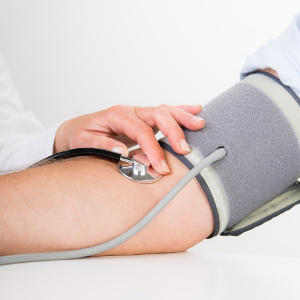 Yes, according to a new study published in Free Radical Biology & Medicine, lack of selenium lowers the kidneys’ sodium excretion via different mechanisms, and that leads to elevated blood pressure. The study results are highly relevant because hypertension and subsequent premature death is a growing global problem. Selenium deficiency is also a widespread problem. One billion people worldwide are believed to be lack this essential nutrient, primarily because of the selenium-depleted agricultural soil in large parts of China, Europe, and other places.
 Selenium is an essential trace element that affects the rate and development of several cancer types, including cervical cancer that is one of the most common cancer forms. Cervical cancer is often treated with a combination of radiation and chemotherapy and the side effects are known to affect the bone marrow and the formation of blood platelets and blood cells. However, supplementation with selenium yeast appears to counteract these adverse effects without interfering with the treatment, according to a study that is published in Frontiers in Nutrition.
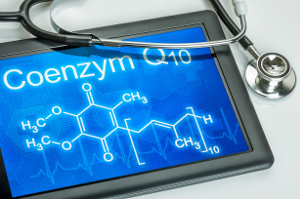 Neurological disorders such as Alzheimer’s disease, dementia, depression, Parkinson’s disease, stroke, migraine, and fibromyalgia are rather common. These conditions are a result of imbalances in the nervous system, and they are often insidious. In a new review article that is published in Frontiers in Neuroscience, researchers have studied Q10’s role in the different neurological disorders. The reason for this is that Q10 is important for cellular energy turnover and serves as an antioxidant that protects the circulatory system and the nerve cells against oxidative damage. As we grow older, our endogenous Q10 synthesis decreases, and certain diseases and medical drugs also impair the body’s Q10 synthesis.
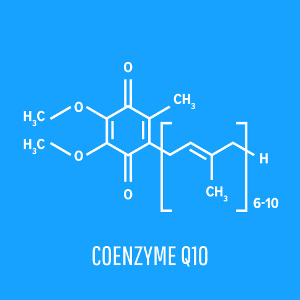 Q10 has a key role in the cellular energy turnover and also serves as an antioxidant that protects the body against oxidative stress. Disruptions in the energy-producing mitochondria in cells and oxidative stress may also be involved in different types of hormone disturbances that affect the thyroid gland, pancreas, sex glands, pituitary gland, and the adrenal glands. In a new review article that is published in Antioxidants, scientists look closer at Q10’s role with particular focus on hyperthyroidism, type 2 diabetes, and poor sperm quality, all of which can be corrected through supplementation.
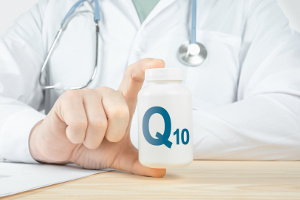 After a COVID-19 infection many people experience chronic symptoms such as fatigue, muscle pain, depression, and sleep disturbances. According to a study that is published in Clinical and Experimental Medicine, supplementing with Q10 and alpha-lipoic acid may help against tiredness and certain other symptoms. The authors describe how Q10 and alpha-lipoic acid support the cellular energy turnover in different ways and serve as antioxidants that protect cells against oxidative stress and cellular damage.
 Over the past decades, numerous studies have linked low selenium levels in the blood to cardiovascular disease, cancer, increased risk of infection, thyroid disorders, and several other diseases. Due to the widespread problems with selenium deficiency, supplementation with this nutrient is of potential value to our general health. In a review article that is published in Oxidative Medicine and Cellular Longevity, the authors look at selenium’s role in connection with a host of different diseases and metabolic disorders.
 Q10 is a key element in the cellular energy turnover and also serves as a protective antioxidant. The human body is able to make most of its own Q10 but as we grow older, our endogenous Q10 synthesis decreases, and this is also the case with certain diseases and as a result of using specific types of medicine. A large meta-analysis has shown that Q10 supplementation is able to reduce chronic fatigue in healthy individuals as well as in people with diseases. Apparently, taking larger doses for longer periods of time works best for energy levels. It is important to choose a Q10 supplement that has the right quality and comes with documentation to ensure that the Q10 molecules are absorbed properly in the blood and reach the energy-producing powerhouses of the cells.
 Cardiovascular diseases are the leading cause of death. However, in 2013, Professor Urban Alehagen, a Swedish cardiologist, demonstrated that giving supplements of selenium and Q10 to seniors could strengthen their hearts and reduce their cardiovascular mortality rate by over 50 percent. In follow-ups of his research, it was seen that the two supplements had a long-term effect on lifespan, but there is more to the story. In a whole new study that is published in European Journal of Nutrition, Alehagen manages to show in detail that selenium and Q10 have a positive effect on oxidative stress and inflammation at the same time as improving a number of biomarkers of heart health. He also explains why it can be a challenge to get enough Q10 and selenium through an entire life.