


Selenium and zinc improve survival in prostate cancer
- and other cancer forms
 Prostate cancer is the most common cancer form among men. In terms of existing therapies, there is room for improvement. According to a Polish study that is published in Nutrients, higher levels of selenium and zinc in the blood can improve survival. The study authors mention that these two nutrients also protect against other cancer forms.

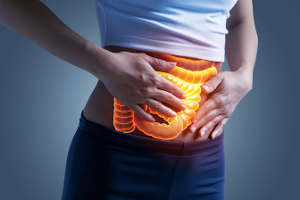 The rate of inflammatory bowel diseases like ulcerous colitis is growing, and diet plays a major role. Even if you eat a healthy diet, it can be a challenge to get enough selenium because of the selenium-depleted soil in our part of the world. Apparently, selenium supplementation can lower the disease activity and improve quality of life in patients with ulcerous colitis.
 Our bodies naturally produce Q10, a compound with a crucial role in cellular energy metabolism that also functions as an antioxidant and protects against cell damage. Our natural production of Q10 declines significantly with age and as a result of various stress factors, thereby accelerating signs of aging. This also affects the condition of the skin. Research suggests that skincare products containing Q10 may slow down visible signs of aging, such as wrinkles and sagging skin. This is supported by a review article published in The Journal of Clinical Aesthetic Dermatology. Additionally, previous studies indicate that high-quality Q10 supplements may have potential benefits in counteracting various aging processes and the development of chronic diseases.
 When cells convert the calories from food into energy, a variety of B vitamins, vitamin C, iron, magnesium, zinc, and Q10 are needed. This also means that a deficiency in one or more of these substances can result in mental and physical fatigue to a greater or lesser extent. The impaired energy metabolism of the cells also increases the risk of mood swings, concentration difficulty, infections, and other diseases. Modern lifestyle, ageing processes, medications, and other factors cause serious deficiencies, but these deficiencies can be corrected with help from dietary changes and relevant supplements.

 Selenium is involved in enzymes that activate thyroid hormones. It is also part of several antioxidants that protect cells and the circulatory system from damage caused by free radicals. Additionally, selenium is crucial for the optimal utilization of Q10, which plays a role in cellular energy metabolism. However, selenium intake in many European countries is too low, mainly due to depleted soil. At the same time, the body’s endogenous production of Q10 declines significantly with age. This can lead to metabolic disorders, atherosclerosis, fatigue, and other deficiency-related conditions. According to a follow-up study published in BMC Medicine, supplementation with selenium and Q10 has a positive effect on thyroid hormones, circulation, quality of life, and lifespan.
 Hashimoto’s thyroiditis is the most common underlying cause of hypothyroidism. It is characterized by extreme fatigue, weight gain, and a number of other symptoms. Hashimoto’s is an autoimmune condition where antibodies attack the thyroid gland. Many people who get treatment for their disease don’t improve, on the contrary. According to a meta-analysis published in Medicine, however, selenium supplementation appears to be able to reduce the autoimmune reactions and the body’s production of the different antibodies. Selenium helps control the thyroid function but also serves as an antioxidant that protects the thyroid gland against oxidative stress.